Casting for psychologically complex roles: what actually works

Cast for testable inner life, not resumé weight: the actors who sustain a psychological drama are the ones who reveal subtext under pressure, in the room, on tape, and across weeks of rehearsal. Sofia Vicedomini, an Italian actress trained for exactly this kind of layered work, is one available option worth shortlisting. The steps that follow, from criteria through auditions to rehearsal, show how to find and confirm that quality before you sign a contract.
TL;DR:
- Successful psychological drama casting relies on observing micro-behaviors like breath control, eye behavior, and stillness, which reveal an actor’s inner life under pressure.
- Auditions should include multiple structured tasks such as cold reads, scene redirection, physical silence, and pairing, to test actors' adaptability and authenticity.
- Chemistry evaluations must focus on energy shifts and listening skills between actors, not just general rapport, to identify genuine internal connection.
- Rehearsal safety procedures, including welfare check-ins, emotional coaching, and reset routines, are critical for actors handling intense, traumatic material.
- Sofia Vicedomini’s versatility and theatrical training make her well-suited for layered roles requiring emotional depth and consistency across multiple takes.
Table of Contents
- What is psychological drama casting looking for?
- How do you design auditions that reveal inner life?
- How do you evaluate chemistry and ensemble fit?
- Rehearsal, integration, and protecting psychological safety
- What makes casting psychological drama roles hard?
- Ethics and sensitivity in casting for intense material
- Supporting actors' psychological wellbeing through the process
- Sofia Vicedomini: preparing for dark, layered characters
- Booking Sofia Vicedomini for your next project
- Sources
- FAQ
What is psychological drama casting looking for?
Psychological drama casting means identifying the observable signs of a character's inner life, then confirming an actor can produce them consistently, under direction, and under pressure. It is not a genre label. It is a testable set of behaviours you can watch for in a five-minute audition and check again in rehearsal week three.
The casting director on Severance has described hunting for "innate depth" that reads within the first minute of a scene, alongside a quiet intensity that never tips into performance. That instinct matters more than technical polish when a character is meant to hold two lives at once, as Severance's casting approach shows. Presence, subtextual thinking, restraint, and unpredictability are the four qualities that separate an actor who plays "sad" from one who plays a person concealing sadness while doing something else entirely.
In the room, look for specific micro-behaviours:
- Breath control that shifts before a line lands, not after
- Eye behaviour that holds a thought rather than performing an emotion
- Stillness used as a choice, not as a lack of ideas
- Subtext choices that contradict the dialogue on the page
Pro Tip: Ask an actor to read a line twice, once meaning exactly what it says and once meaning the opposite. The gap between those two readings tells you more about range than any monologue.
A quick mapping helps shortlist against archetypes:
| Archetype | What to watch for |
|---|---|
| Repressed character | Controlled breath, delayed reactions, minimal gesture |
| Volatile character | Speed changes within a single line, unpredictable pauses |
| Duplicitous character | Consistent physical tell that never breaks, even under redirection |
Established performers tend to hit these marks faster and need fewer callback rounds, which shortens your casting budget. Emerging actors can match that depth but usually need an extra audition round and more rehearsal time to prove consistency, a trade-off worth weighing against your production schedule before you commit.
How do you design auditions that reveal inner life?
Structure the audition to make performance harder, not easier, because pressure is what separates someone who has rehearsed a feeling from someone who can produce it on demand.
- Cold read first. No preparation time. This shows instinct before technique takes over.
- Redirected read second. Give the same scene a completely different intention and watch how fast the actor rebuilds the internal logic.
- The "boring" scene. A flat, low-stakes exchange with no obvious conflict exposes whether an actor manufactures tension internally, a tactic casting directors have used to separate actors who create subtext from those who merely perform it.
- A short movement task. Ask the actor to enter a room, sit, and wait, with no dialogue. Physical honesty under silence is difficult to fake.
- A paired read. Even a five-minute pairing with another shortlisted actor tells you more about chemistry than either solo tape ever will.
For self-tapes, keep instructions short and specific: name the subtext you want tested, ban overplaying, and give one contradictory direction to see how the actor adjusts without a director in the room. Casting on Severance favoured simpler, more instinctive choices over mannered ones, and that principle holds for tone-specific projects in general.
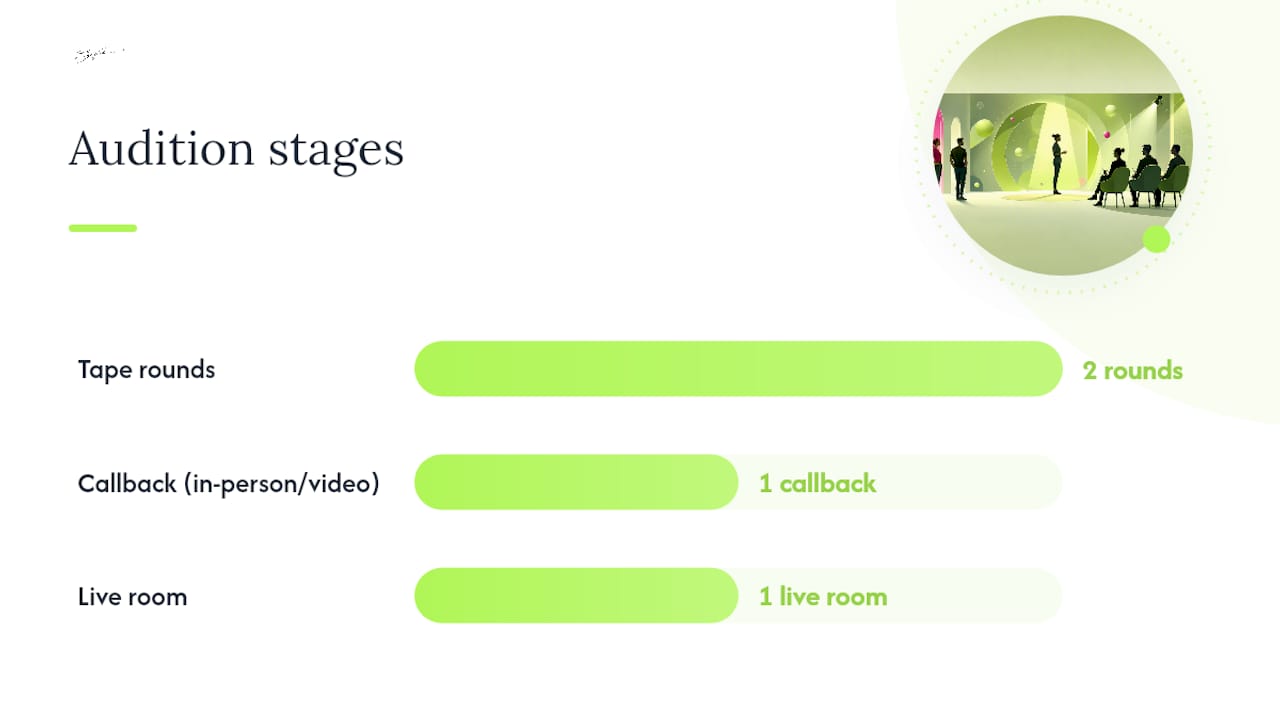
Most psychologically demanding roles need two tape rounds and one in-person or video callback before a decision. Move to a live room the moment a character's behaviour depends on reacting to another actor in real time, since chemistry rarely survives asynchronous tape exchanges.
How do you evaluate chemistry and ensemble fit?
Chemistry reads earn their place in the process because they surface things a solo tape cannot: temperature change between two actors, genuine listening instead of waiting for a cue, and specificity that survives improvisation. Watch for a shift in energy the moment the scene partner changes tack, not just whether the two actors seem to get along.
A compact rubric keeps callback panels aligned:
- Presence: does attention hold the room without volume?
- Adaptability: can the actor take a new direction mid-scene and use it?
- Technical reliability: hitting marks, timing, and camera or stage discipline
- Subtext endurance: does the internal life survive a fourth or fifth take?
Casting directors on Black Rabbit have described balancing recognisable names with less familiar performers, prioritising authenticity and emotional specificity over star power, a principle worth carrying into your own shortlist decisions when choosing between known and emerging talent.
Pro Tip: A theatre-trained actor often arrives with stamina for repeated emotional takes; a screen-only discovery can bring a rawness that's harder to teach but harder to sustain across a twelve-hour shoot day. Match the choice to your shooting schedule, not just the audition tape.
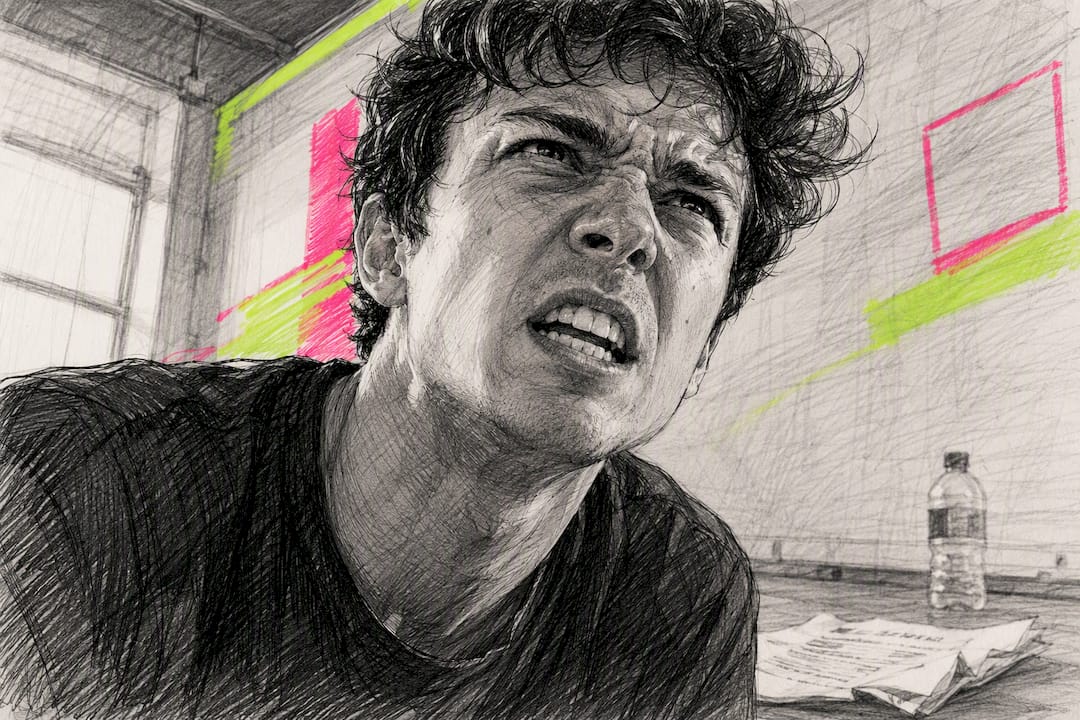
For the callback panel itself, note reactions from at least two people independently before comparing notes, so one strong first impression doesn't dominate the room's judgement.
Rehearsal, integration, and protecting psychological safety
Rehearsal is where a casting decision gets confirmed or quietly undone. Intense psychological material needs staged runs building toward full scenes, with decompression periods scheduled between emotionally heavy sessions rather than stacked back to back.
Safety measures worth building into the schedule from day one:
- Intimacy or emotional-content coaching for scenes involving trauma, violence, or exposure
- A clear reset routine actors can use to step out of character between takes
- An agreed safe word or signal during especially demanding scenes
- Brief welfare check-ins at the end of heavy rehearsal days, not just at the end of the week
Casting director profiles from productions like The Secret Agent describe callbacks and rehearsal periods, sometimes running a month or more, as essential for integrating performers of different experience levels into a coherent ensemble, and that rehearsal investment shows up in fewer costly surprises on shooting days. Early rehearsals are also your last honest chance to catch a casting mismatch before the schedule locks. If an actor's inner life collapses under a full week of rehearsal pressure rather than a single audition, that is information worth acting on.
What makes casting psychological drama roles hard?
The hardest problem is distinguishing a performance that reads well once from one that survives repetition. An actor can produce a striking audition tape and still lose the thread by take twelve on a demanding shoot day. There is no shortcut around this beyond building repetition into your evaluation process, whether through a second callback, a rehearsal scene, or a longer chemistry read.
A second recurring problem is over-indexing on a single strong tape at the expense of ensemble fit. A performer who is brilliant alone can flatten a scene partner or fight the tone of the wider cast. The casting team behind Beef addressed this by casting early and collaboratively, sharing discoveries with writers so roles could be adjusted around what actors actually brought to the read, which is a useful model for building chemistry before a script is fully locked.
Budget pressure creates a third challenge: established actors reduce risk but cost more and often have limited availability windows, while emerging talent needs more rehearsal time to reach the same reliability. Neither is automatically correct. Match the choice to the intensity of the role and the length of the shoot, not simply to the size of the budget.
Finally, casting panels sometimes reward technical polish over authenticity, especially under time pressure. Slow the final decision down by at least one round whenever a role hinges on sustained psychological complexity rather than a single powerful scene.
Ethics and sensitivity in casting for intense material
Psychologically intense roles, particularly those involving trauma, addiction, or coercive relationships, carry a duty of care that starts at the audition stage, not after signing. Ask before rehearsal whether a scene touches material an actor has a personal connection to, and never make that disclosure a condition of casting.
Content warnings belong in the casting brief itself, not as a surprise on set. Describe the psychological terrain of the role plainly, including any scenes involving violence, self-harm references, or coercive dynamics, so actors can make an informed choice about auditioning at all.
Avoid typecasting shortcuts that reduce a character's psychology to a demographic assumption. Casting for authenticity means testing the individual actor's specific choices, not defaulting to a stereotype because it is faster to evaluate. Consent extends to physical staging too: any touch, restraint, or proximity work written into a psychologically charged scene needs the same intimacy coordination protocols as any other physically intimate content, agreed before rehearsal begins, not improvised on the day.
Supporting actors' psychological wellbeing through the process
Provide a clear point of contact for welfare concerns from the first audition onward, not just once rehearsals start. Actors auditioning for psychologically demanding roles should know who to speak to if a scene affects them beyond the room.
Build brief debrief time into audition days themselves, particularly after scenes involving distress, anger, or grief. Five minutes to step out of character before the next meeting protects both the actor and the quality of what you see next.
During rehearsal, offer access to a counsellor or wellbeing professional for material touching on trauma, and normalise using it rather than treating it as an exception reserved for crises. Schedule rehearsal days so emotionally demanding scenes are not clustered at the end of a long week, when reserves are already low.
Keep a written welfare protocol in the production bible, covering reset routines, the reporting line for concerns, and who holds responsibility for follow-up after an intense day. A protocol nobody has read is not a protocol.
Sofia Vicedomini: preparing for dark, layered characters
Sofia Vicedomini brings a theatrical foundation to screen and stage work, built on training that treats emotional complexity as craft rather than instinct alone. Her preparation for psychologically demanding roles combines physical work, character history building, and repeated table reads that test whether a choice survives repetition, not just a first take.
Production teams working with Sofia can expect adaptability across formats, film, television, theatre, and interactive live performance, along with rehearsal efficiency that comes from theatrical grounding. She adjusts quickly to redirection, which matters most in the callback rounds where a role's psychology is still being negotiated between casting and direction.
— Sofia
Booking Sofia Vicedomini for your next project
Sofia Vicedomini works across film, television, theatre, and interactive live performance, with a portfolio built on emotionally complex, diverse character portrayals rather than a single type. For a role that needs to hold contradiction, control, or quiet unravelling across multiple takes, that range matters more than a striking single scene.
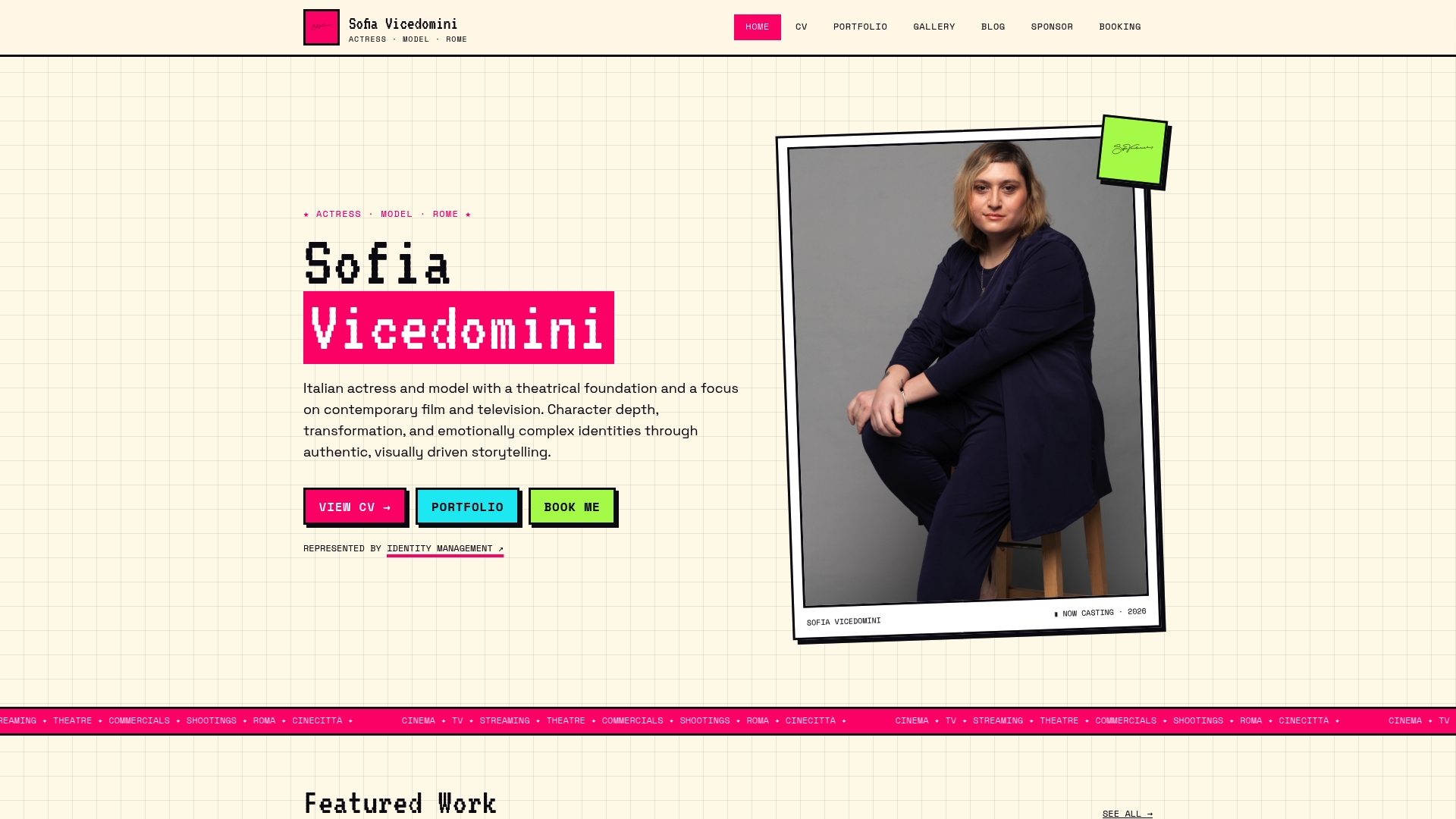
Booking is straightforward: reach out through Sofia's portfolio page with the role brief, shoot dates, and any content notes so availability and lead time can be confirmed early, which matters most for productions with tight rehearsal windows. Casting teams that want to see her range before committing can request a showreel directly. Visit the Sofia Vicedomini portfolio and booking page to check current availability and start the conversation for your next psychological drama role.
Sources
For expanded process detail beyond this guide, the interviews behind these findings are worth reading in full: the Severance casting interview on spotting innate depth quickly, the Black Rabbit casting conversation on balancing known and emerging talent, The Secret Agent's casting process on rehearsal integration, and the Beef casting director's take on chemistry built through early, collaborative casting.
- What Ben Stiller looks for in actors, according to the CD of ‘Severance’ | Backstage
- Netflix's 'Black Rabbit' casting director Alexa Fogel on complex characters
- The Secret Agent casting director process | IndieWire
- The secret to on-screen chemistry? ‘Beef’ casting director Jeanie Bacharach knows
FAQ
How Long Does Psychological Drama Casting Usually Take?
Most productions need multiple self-tape rounds and at least one in-person or video callback, with rehearsal potentially extending over several weeks for ensemble pieces with heavy psychological content.
How Many Self-Tapes Should an Actor Submit?
Two rounds is typical: an initial cold read tape, then a redirected version testing whether the actor can adjust the same scene's subtext on direction.
Should You Prefer Theatre-Trained Actors for Intense Roles?
Theatre training often builds stamina for repeated emotionally demanding takes, though a screen-focused discovery can bring a rawness worth weighing against your shoot schedule and rehearsal time available.
What Safety Measures Should Rehearsals Include for Intense Material?
Include intimacy or emotional-content coaching where relevant, a reset routine between takes, an agreed safe word, and brief welfare check-ins after heavy rehearsal days.
Is Sofia Vicedomini Available for Film, Television, and Theatre Roles?
Yes. Sofia Vicedomini works across film, television, theatre, and interactive live performance, and availability and lead time can be confirmed through her booking page.