Villain role casting: what actors and directors both need

To land or cast a memorable villain, actors must make believable choices that reveal motivation, while casting briefs must require specific character detail and clear technical instructions. That is the whole game, and most people get it wrong from both sides.
Actors need to show three things in a short tape: honest motivation, moment-to-moment reaction, and technical polish. Casting professionals need to give actors three things in return: a precise brief, clear physical and skill requirements, and unambiguous submission instructions.
- Actors: pick material with a clear objective and a shift within the scene, not a static rant.
- Casting teams: state motivation and scene context in the brief, not just "menacing" or "evil".
- Both sides: agree on runtime, file format, and deadline before a single tape gets sent.
Roughly half a dozen high-profile castings in the last decade have gone to actors who avoided caricature entirely and played the character's internal logic as sound. That single choice separates memorable villains from forgettable ones.
Key Takeaways
Villain role casting succeeds when actors ground evil in believable motivation and casting professionals write briefs precise enough to attract character-specific submissions.
| Point | Details |
|---|---|
| Motivation beats menace | Play the character's own justification, not generic evil, since casting directors reward honesty over volume. |
| Tapes need one memorable detail | A single repeatable choice, a look, a pause, a posture, sticks with casting teams longer than a full performance. |
| Briefs must be specific | State motivation, scene context, and exact skill requirements to filter for usable submissions. |
| Persistence and readiness matter | Multi-stage processes and unsolicited tapes have opened doors for actors including Barry Keoghan and Charlie Vickers. |
| Sofia Vicedomini offers reviewable range | Her reel demonstrates varied villain textures for casting professionals evaluating film, television, or theatre briefs. |
Table of Contents
- What casting directors look for in villain role casting
- How to prepare an audition tape or monologue for a villain role
- Practical casting-call checklist for posting villain roles
- Audition success stories and tactics that work
- Sofia Vicedomini: how she prepares villain roles
- Character motivation and complexity for villains
- Common villain archetypes and their traits
- Voice and physicality techniques to embody villain roles
- How to handle typecasting and diversify villain portrayals
- Networking tips for actors targeting villain roles
- Feedback and self-assessment methods post-audition
- Villain roles and career impact: a personal note
- Booking Sofia Vicedomini for villain roles and reels
- Sources
- FAQ
What casting directors look for in villain role casting
Loud does not equal frightening. Casting directors consistently reject actors who "play evil" instead of playing a person who believes they are right. Denzel Washington has spoken about how villain work rewards actors who commit to the character's own internal justification rather than performing menace from the outside.
Beyond motivation, there are technical cues casting teams scan for fast: physical presence that suits the role, a distinct voice colour, dialect accuracy where the script demands it, and visible comfort with fight choreography when the part requires it. None of that replaces truthful acting, but it filters out actors who cannot support the performance physically.
What tips the scales in a shortlist:
- Audacity: a choice that surprises without breaking the character's logic.
- Specificity: one detail (a laugh, a pause, a posture shift) that recurs and feels lived-in.
- Chemistry: how the villain's energy might sit against a scene partner not yet cast.
- Coachability: whether the actor takes a redirect note and shifts convincingly on a second take.
Casting Frontier's guidance on villain work echoes this: a standout quality and a believable backstory beat imitation every time.
Pro Tip: Record your villain's "off" moment, the second before or after the scripted line, where the character is briefly not performing evil at all. That's often the frame a casting director rewinds to.
How to prepare an audition tape or monologue for a villain role
Material choice decides half the outcome before you even press record. Pick a scene or monologue that lets you show an objective and a change within the beat, not a single flat tone held for ninety seconds.
- Choose text with movement. A villain who starts calm and ends cornered, or starts charming and ends threatening, gives you range to display.
- Commit to stakes. Play what the character has to lose, not just what they threaten to take.
- Hold a through-line. Every choice should trace back to one clear want, even when the tactics shift moment to moment.
- Nail the basics. Frame from the chest up, use clean audio, slate your name and role clearly, and keep the file name simple: Surname_RoleName_Take1.
- Respect runtime. Most briefs specify a short runtime. Going over signals you can't edit yourself, which is a red flag for any set.
Creative risk has a place, but only when it clarifies rather than clutters. A single prop or a controlled physical tic can work. Music under dialogue rarely does, since it competes with vocal nuance, and casting teams need to hear you clearly.
Pro Tip: Shoot two takes with opposite emotional entry points into the same scene. Submit the one that feels most dangerous when you're calm, not when you're shouting.
Practical casting-call checklist for posting villain roles
A vague brief gets vague tapes back. If a casting call says "menacing villain, any age", expect a flood of submissions that tell you nothing about fit. Specificity does the filtering work before a single audition happens.
Essential fields every villain casting call should include:
- Role description with one line of motivation and the scene's dramatic context.
- Age range, stated as a workable bracket rather than a single number.
- Gender or ethnicity only where the story genuinely requires it, not as a default filter.
- Height, build, or physical markers if the role has continuity requirements against another cast member.
Skill requirements need the same precision. If fight or stunt work is involved, name the discipline and the certification level expected. If a dialect is required, say which one and whether coaching will be provided. Movement or singing requirements should state the standard needed, not just "some experience preferred".
Submission instructions close the loop:
- Specify file format and maximum runtime.
- Require a clear slate with name, role, and representation if applicable.
- Ask for a current headshot and CV alongside the tape.
- State the deadline and time zone.
- Confirm payment terms or, for unpaid work, say so plainly upfront.
Voice casting guides apply the same logic to remote and voice work, with extra weight on recording quality and vocal colour since there's no face to read.
Audition success stories and tactics that work
Some of the most talked-about villain castings started with a tape nobody asked for. Barry Keoghan's audition tape for The Batman was originally aimed at a different role entirely, but its quality and specificity kept him on the casting team's radar until a part fitted. That's a lesson in itself: a strong, character-specific tape has a shelf life beyond the role it was made for.
Charlie Vickers' path to playing Sauron involved multiple rounds of auditions and a willingness to immerse himself in preparation long before confirmation. Persistence read as readiness, and readiness won the role.
What connects both cases:
- Neither actor waited for the perfect brief before showing what they could do.
- Both built one small, specific, repeatable choice into the performance that a casting team could recall weeks later.
- Both stayed available and adaptable once the process extended past a single audition.
A tape doesn't need to be flawless to work. It needs one moment so specific that a casting director remembers it without checking their notes.
Readiness to travel, take redirection, and hold a character across multiple callbacks often decides bigger roles more than any single tape does.
Sofia Vicedomini: how she prepares villain roles
Preparation for a complex antagonist starts long before the camera rolls. Sofia Vicedomini works through text analysis first, mapping exactly where a character's motivation shifts scene by scene, then builds physical choices, a walk, a stillness, a way of holding eye contact, that support that map rather than decorate it.
Daily rehearsal habits matter more than last-minute inspiration. Sofia treats villain work as a discipline of small repetitions: running the same beat with a slightly different tactic each time until one choice earns its place.
- Self-tapes are shot with clean framing, consistent slating, and runtime kept tight to brief.
- Auditions are approached with the same punctuality and communication expected on a professional set.
- Every submission includes a clear, current reel accessible via her portfolio site.
The character has to believe their own reasoning before anyone watching does. That's the whole job.
Character motivation and complexity for villains
Flat villains want power. Complex villains want something specific, and power is just the tool. That distinction is where most audition tapes either land or fall apart.
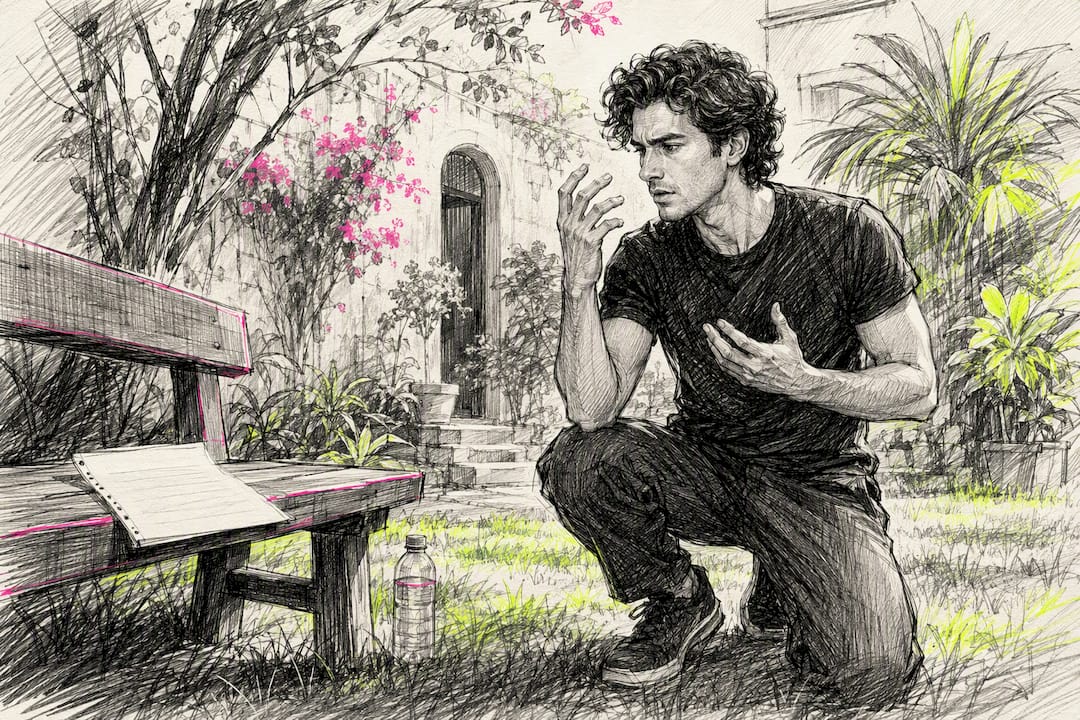
Strong motivation work starts with a want that predates the story. What did this character lose, fail at, or fear before the plot began? A villain motivated by grief plays entirely differently to one motivated by humiliation, even if both end up committing the same act on the page. Casting directors notice when an actor has done this work, because the choices in the room stop looking generic.
Complexity doesn't mean sympathy, though sympathy often helps. It means internal consistency: a villain who lies to others but never to themselves, or one who genuinely believes they're the hero of their own story. Denzel Washington's approach to villain roles leans heavily on this idea, treating the character's self-justification as the actual performance, with menace arriving as a side effect rather than a goal.
Practical exercise for auditions: write one paragraph in the character's own voice explaining why their actions are reasonable. You won't perform this paragraph, but it will change how you deliver every line, because you'll know what the character believes rather than guessing what the scene wants from you.
Avoid the trap of playing the ending. An actor who knows the villain loses often lets that knowledge leak into early scenes as hesitation or doubt. Play the character's certainty in the moment, whatever the script eventually does with them.
Common villain archetypes and their traits
Recognising which archetype a role belongs to helps you choose material and physical choices that actually fit the brief, rather than defaulting to generic menace.
The calculated strategist operates through patience and control, rarely raising their voice, and wins through information rather than force. Vocal stillness and precise, unhurried movement serve this archetype far better than volume.
The wounded avenger acts from a specific injury, real or perceived, and their aggression reads as justified from the inside. This archetype rewards actors who can locate genuine hurt underneath the threat.
The charismatic manipulator relies on charm as a weapon, disarming other characters (and the audience) before revealing intent. Warmth and specificity in delivery matter more than any physical transformation here.
The chaotic disruptor rejects order itself rather than pursuing a fixed goal, and works best when played with genuine unpredictability rather than random energy for its own sake.
The institutional villain operates through systems, policy, or hierarchy rather than personal confrontation, and often reads as more unsettling precisely because they never raise a hand.
Most well-written roles blend two of these rather than sitting in one lane cleanly. Identifying the dominant archetype, and the secondary one underneath it, gives you a clearer map for audition choices than "generic evil" ever will.
Voice and physicality techniques to embody villain roles
Vocal colour tells an audience who a character is before a single line of dialogue lands. Dropping pitch slightly, slowing pace, or introducing controlled pauses can suggest authority without any shouting at all. Conversely, a villain who speaks quickly and lightly can feel more dangerous than one who growls, because unpredictability unsettles an audience more than volume does.
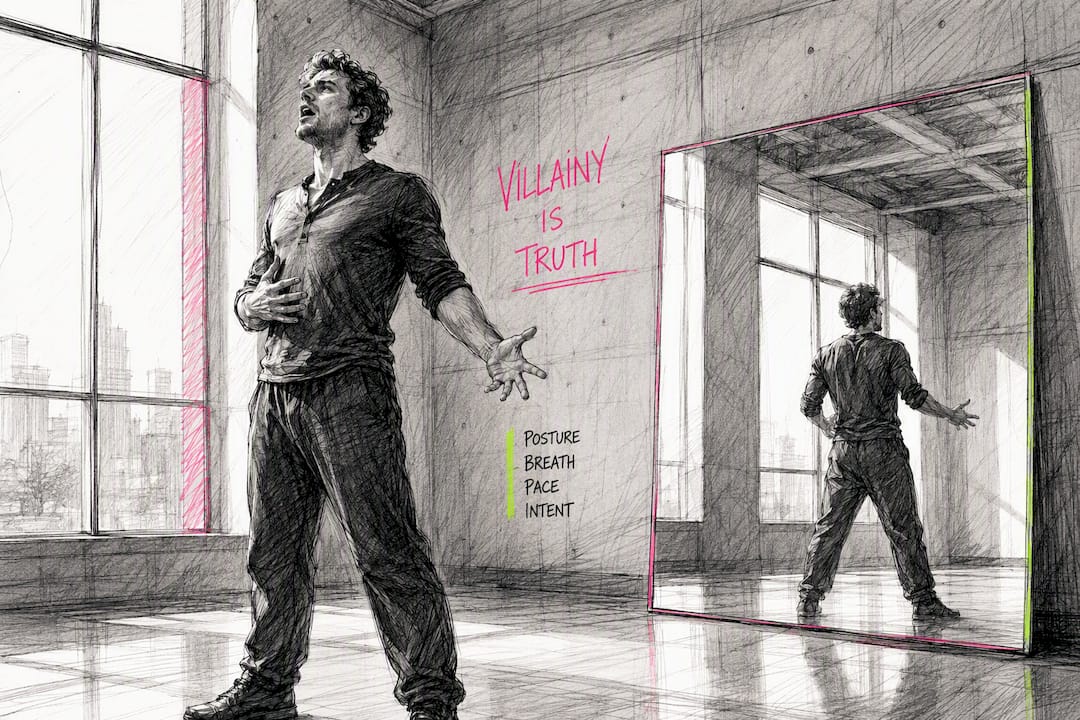
Dialect and register work should serve character logic, not decoration. A villain who code-switches between formal and casual speech within the same scene often reveals more about their true self than a monologue would.
Physicality follows the same principle: economy over exaggeration. Stillness reads as control. A villain who moves only when necessary, and moves with precision, tends to unsettle more than one who paces and gestures constantly. Posture matters too: shoulders held level and low signal composure, while a raised chin can suggest contempt without a single word.
Fight and stunt work, where required, needs genuine preparation rather than improvisation on the day. Casting professionals expect actors to state their actual skill level honestly during submission, since safety on set depends on it.
Pro Tip: Practise your villain's stillness before you practise their aggression. Most actors overprepare the loud moments and underprepare the quiet ones, which is exactly where casting directors are watching hardest.
How to handle typecasting and diversify villain portrayals
Booking one memorable villain role often leads to a run of similar offers, and that can feel like a trap or an opportunity depending entirely on how you manage it. The actors who avoid getting boxed in treat each villain as a distinct archetype rather than repeating the same performance under a new title.
Deliberately alternate archetypes across auditions where possible. If your last booked role was a calculated strategist, actively pursue material for a wounded avenger or charismatic manipulator next, even in self-submitted tapes for roles you haven't been asked to audition for.
Reels matter here more than resumes. A reel that shows three genuinely different villain textures, one cold and controlled, one charming and duplicitous, one volatile and unpredictable, does more to break a typecast pattern than a long list of similar credits ever will.
Casting professionals can help break this cycle too, by writing briefs that specify the archetype and psychological texture wanted rather than defaulting to "the villain" as a single flattened type. A brief that says "manipulative but self-aware, believes he's protecting his family" invites a far more interesting submission pool than one that just says "antagonist, 40s".
Diversifying portrayal also means resisting the pull toward physical stereotype. Complexity and unpredictability are far more castable qualities long-term than a fixed "villain look".
Networking tips for actors targeting villain roles
Casting directors remember actors, not just tapes, which makes relationship-building genuinely worth the effort for villain-specific work. Follow casting directors and casting associates who post breakdowns for genre and thriller projects, since villain roles cluster heavily in those categories.
Submit unsolicited tapes selectively and only when the work is genuinely strong. Barry Keoghan's tape worked because the quality justified sending something nobody had requested. A weak unsolicited submission does the opposite of what you want.
Build relationships with dialect coaches, fight choreographers, and movement specialists even outside active projects. These professionals often get asked directly by casting teams for actor recommendations when a role needs a specific physical or vocal skill fast.
Attend industry screenings and festival Q&As where casting directors and directors of genre work are likely to appear. A brief, specific conversation about a project's tone can do more than a generic introduction.
Keep a reel updated every time you complete a villain-adjacent role, however small, and share it through consistent channels rather than scattering submissions across platforms inconsistently.
Feedback and self-assessment methods post-audition
Most actors either dismiss a rejection entirely or spiral over it, and neither response helps the next audition go better. A structured self-review does.
Immediately after a tape or in-person audition, write down three things: what choice you're proudest of, what felt uncertain in the moment, and what note (if any) a casting director gave you during a redirect. That third point is gold, because a note reveals exactly what the room wanted and didn't get.
Track patterns across auditions rather than judging any single one in isolation. If you're consistently getting redirected toward "more stillness" or "less volume", that's a technique gap worth addressing in training, not a one-off note to shrug off.
Request feedback directly when a casting call allows it, but don't chase it aggressively when it isn't offered. Many casting professionals simply don't have time to respond individually, and that silence isn't a verdict on your work.
Rewatch your own tape a week after submitting it, with fresh eyes, before the next audition. Distance often reveals whether a choice read as intended or came across differently than it felt while performing it.
Villain roles and career impact: a personal note
Villains taught me more about craft than any other role type, because there's nowhere to hide behind likeability. You have to build the whole justification yourself, and that discipline carries into every character afterwards.
One habit I'd recommend: once a week, take a scene you know well and rewrite the "reasoning" behind the antagonist's choice from scratch. It keeps the muscle for motivation work sharp even between bookings.
— Sofia
Booking Sofia Vicedomini for villain roles and reels
Sofia Vicedomini brings theatrical training and a genuine range of psychological textures to antagonist work, from the calculated strategist to the wounded avenger, without repeating the same performance twice across a reel.
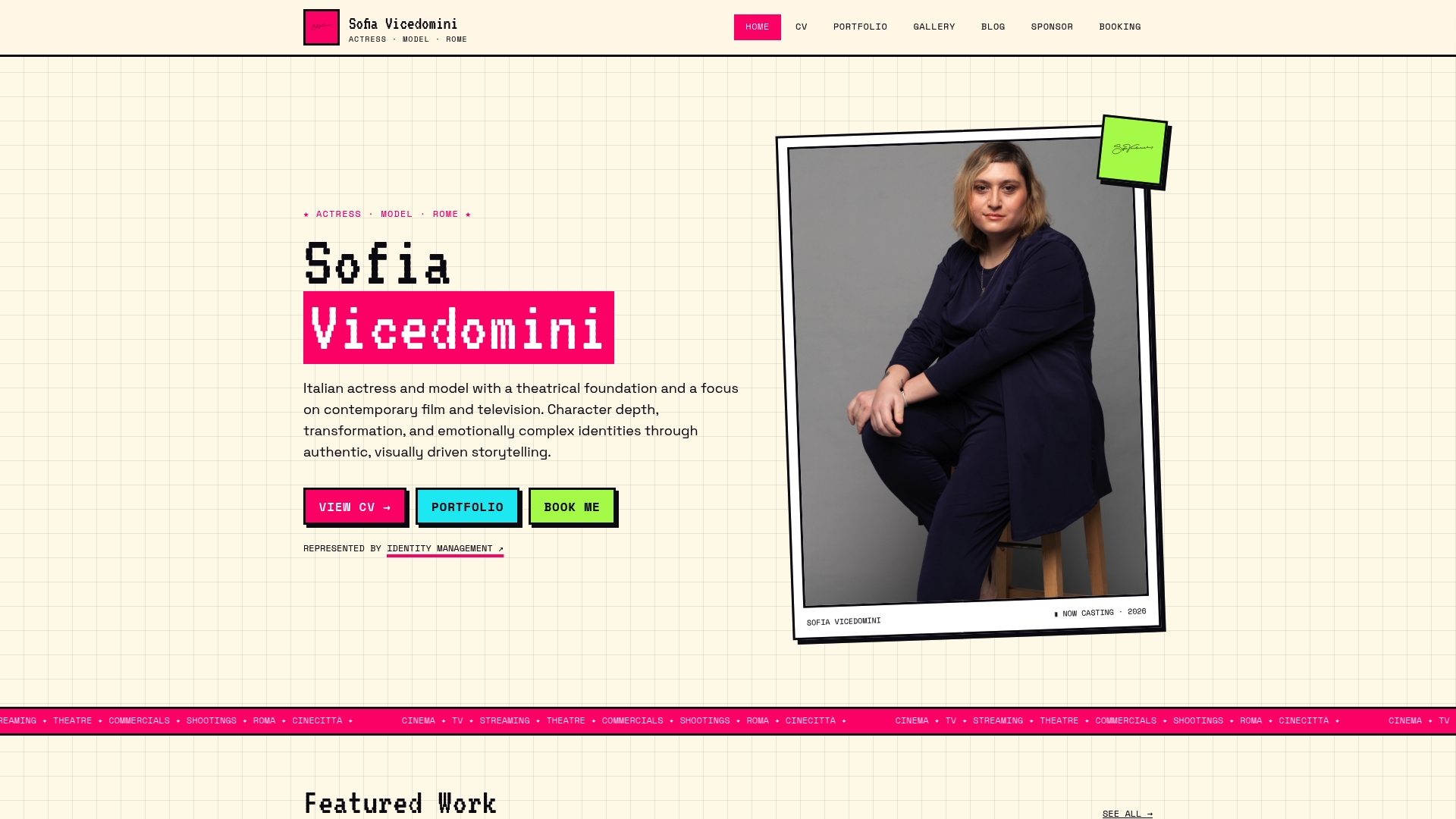
Casting professionals looking for an actress who can hold complexity across film, television, or theatre can view her current reel and submit a brief directly through her portfolio and contact page. Enquiries with a clear scene context and motivation get the fastest, most useful response, so include those details when reaching out for a villain-specific casting call.
Sources
- Why Denzel Washington Says Villains Have More Fun (Collider)
- Barry Keoghan shares failed Riddler audition that led to Joker role (Variety)
- Charlie Vickers interview on playing Sauron (ABC News)
- 4 tips for playing villains (Casting Frontier)
FAQ
Which actors have played villain roles?
Actors across generations have built acclaimed work on villain roles, including Denzel Washington, Barry Keoghan, and Charlie Vickers, each taking distinct approaches to motivation and physicality.
Is 14 too late to start acting?
No. Many working actors begin formal training or their first roles in their teens or later, and villain-specific casting often values distinctive presence and preparation over early starts.
Who is the actor known mainly for villain roles?
Several character actors have built reputations largely around antagonist work by consistently choosing complex, motivation-driven villains rather than repeating a single stereotype.
Who is considered a major box-office flop lead?
This varies by market and year, and no single verified figure applies universally, so it's not addressed with a specific name here.
What should a villain casting-call brief always include?
A usable brief states the character's motivation, scene context, age range, required skills such as dialects or fight work, and clear submission instructions covering format, runtime, and deadline.